THE NEURO HEALTH JOURNAL
Brain & Spine Health Articles
Twenty separate, accessible guides for patients and families exploring neurosurgical health questions.
Twenty separate, accessible guides for patients and families exploring neurosurgical health questions.
Select a topic to open a dedicated article page.
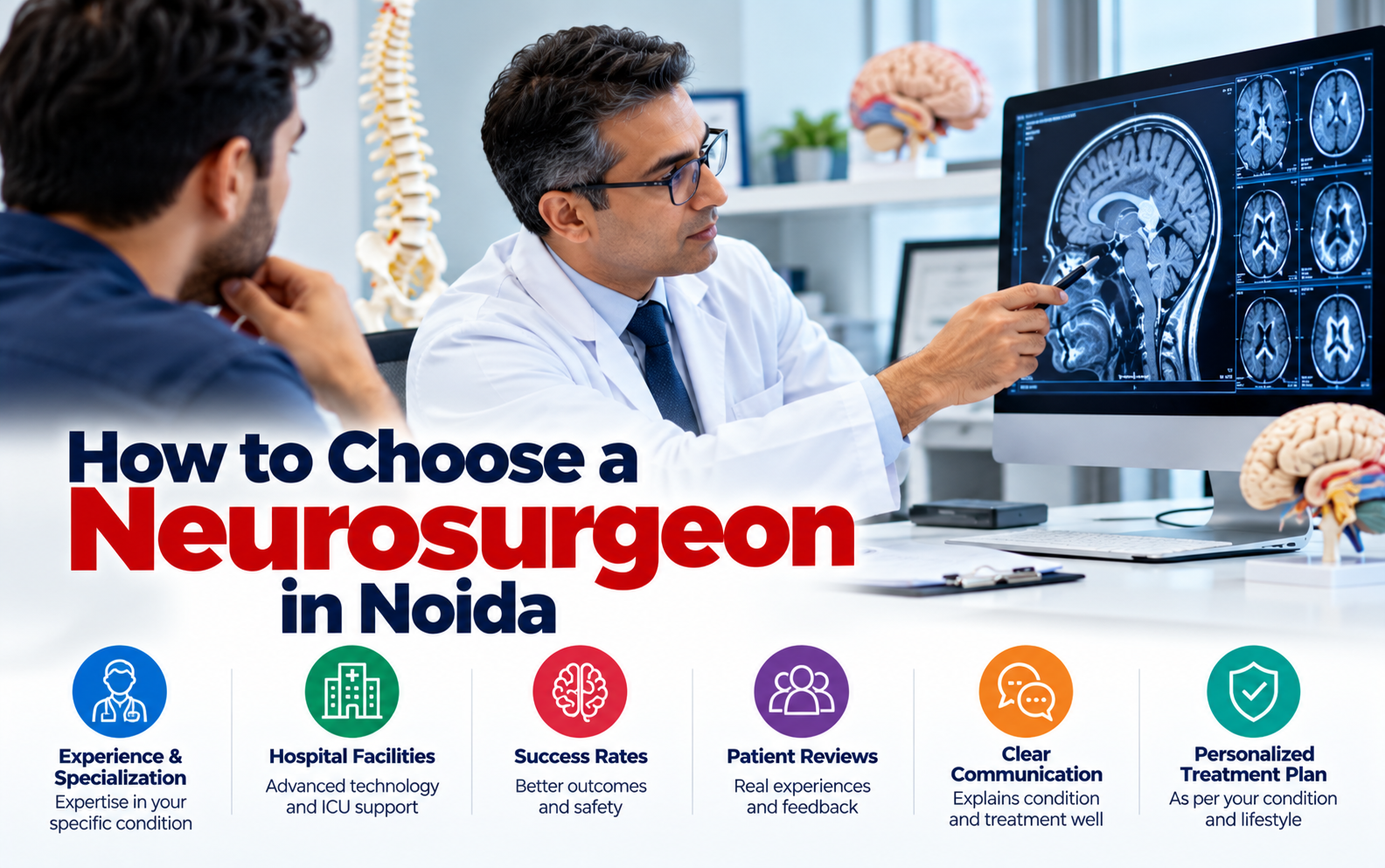
Choosing a neurosurgeon is about relevant expertise, clear communication and treatment options—not rankings alone.
Read article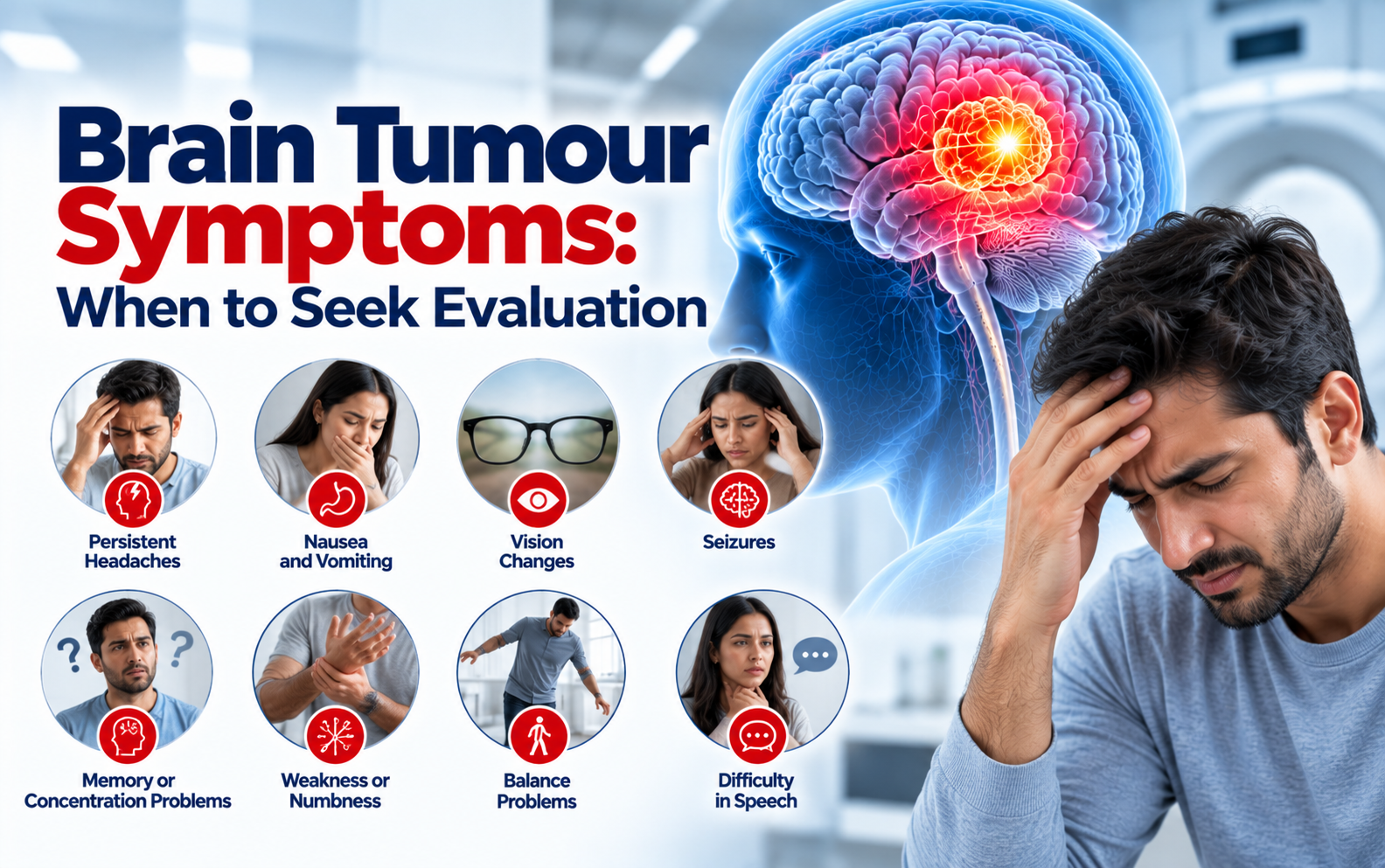
Brain tumours may cause different symptoms depending on their size, location and growth pattern.
Read article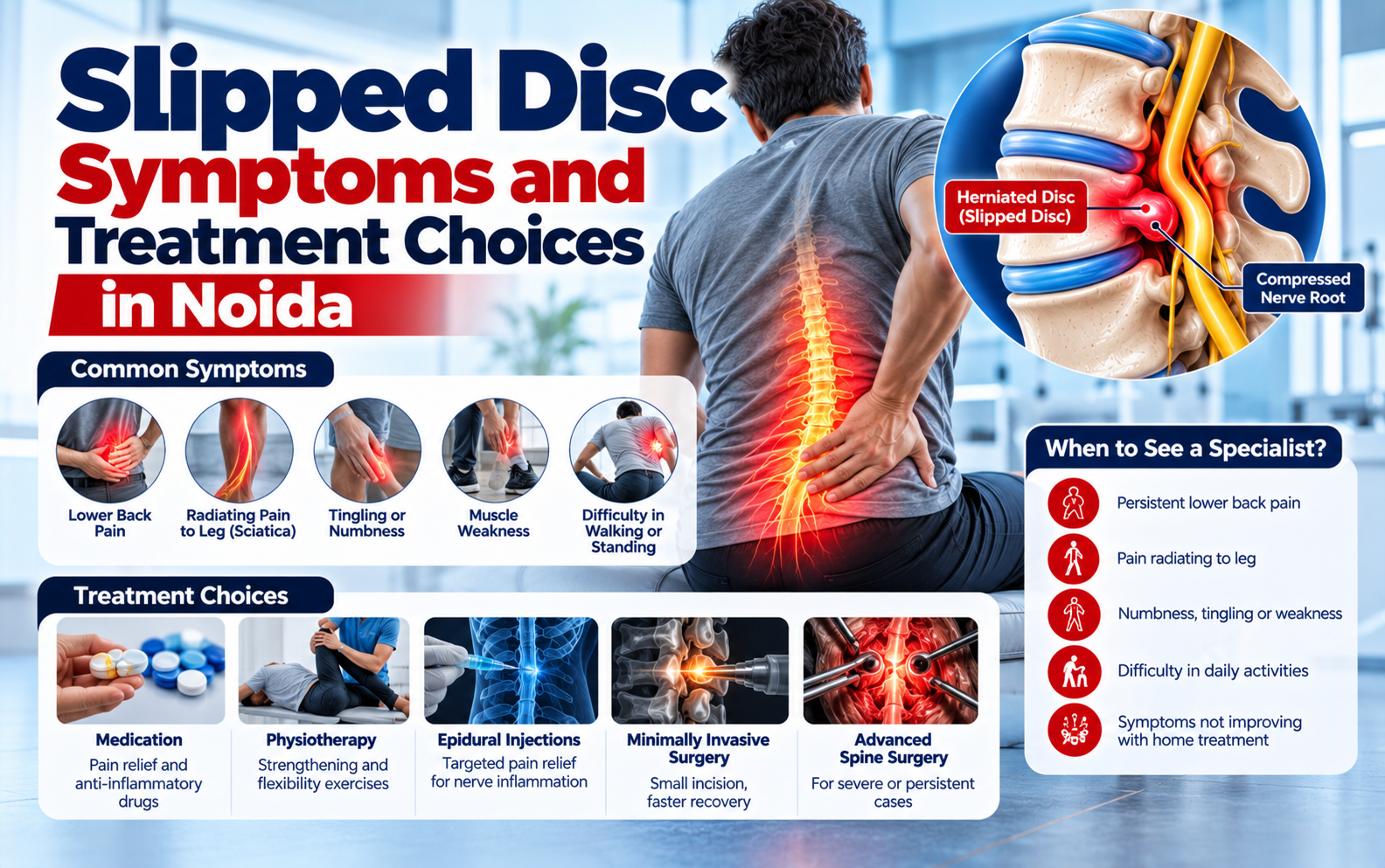
A slipped disc can irritate or compress a spinal nerve, but an MRI finding does not always explain every pain symptom.
Read article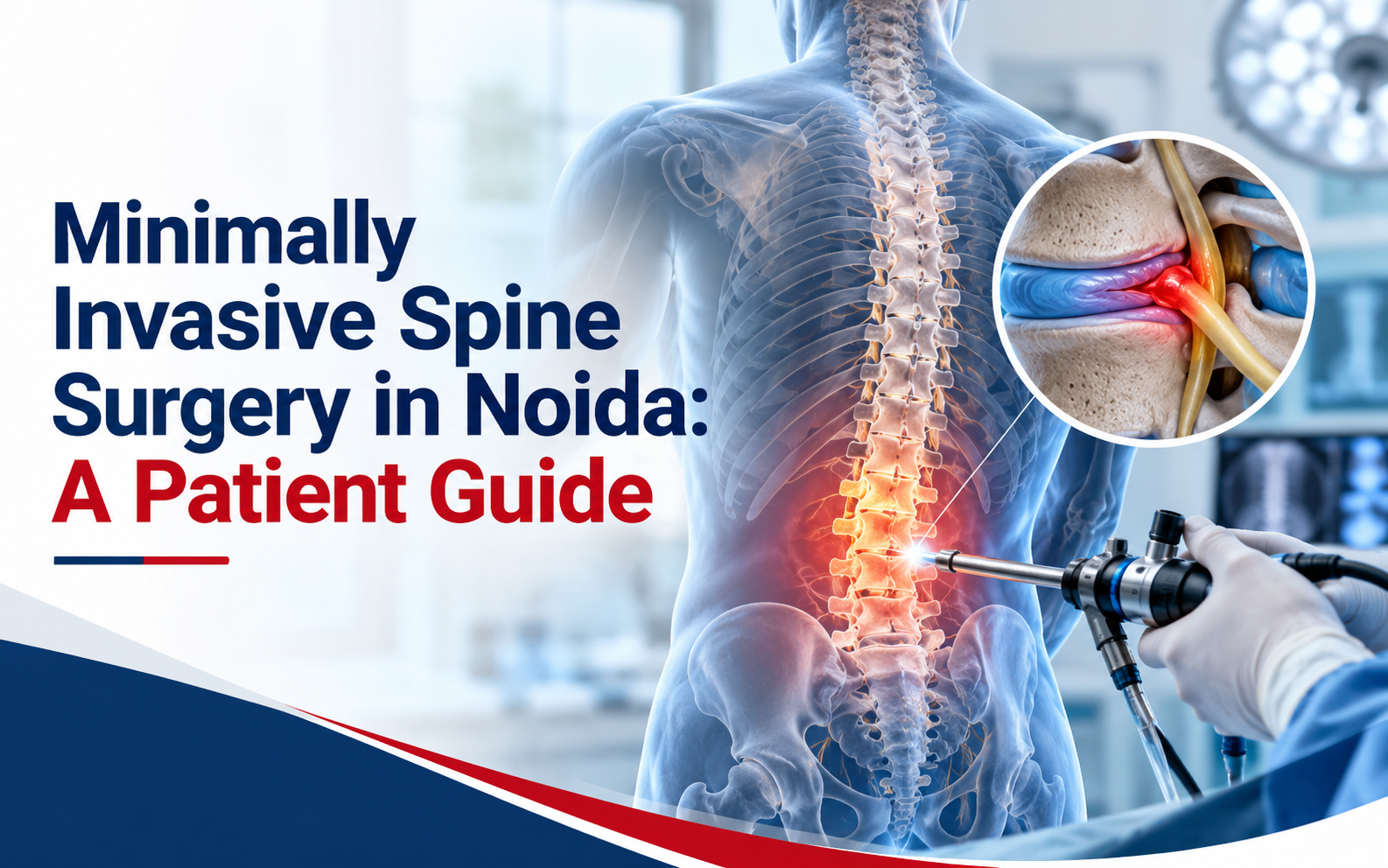
The term minimally invasive refers to an approach, not a single operation or a guarantee of rapid recovery.
Read article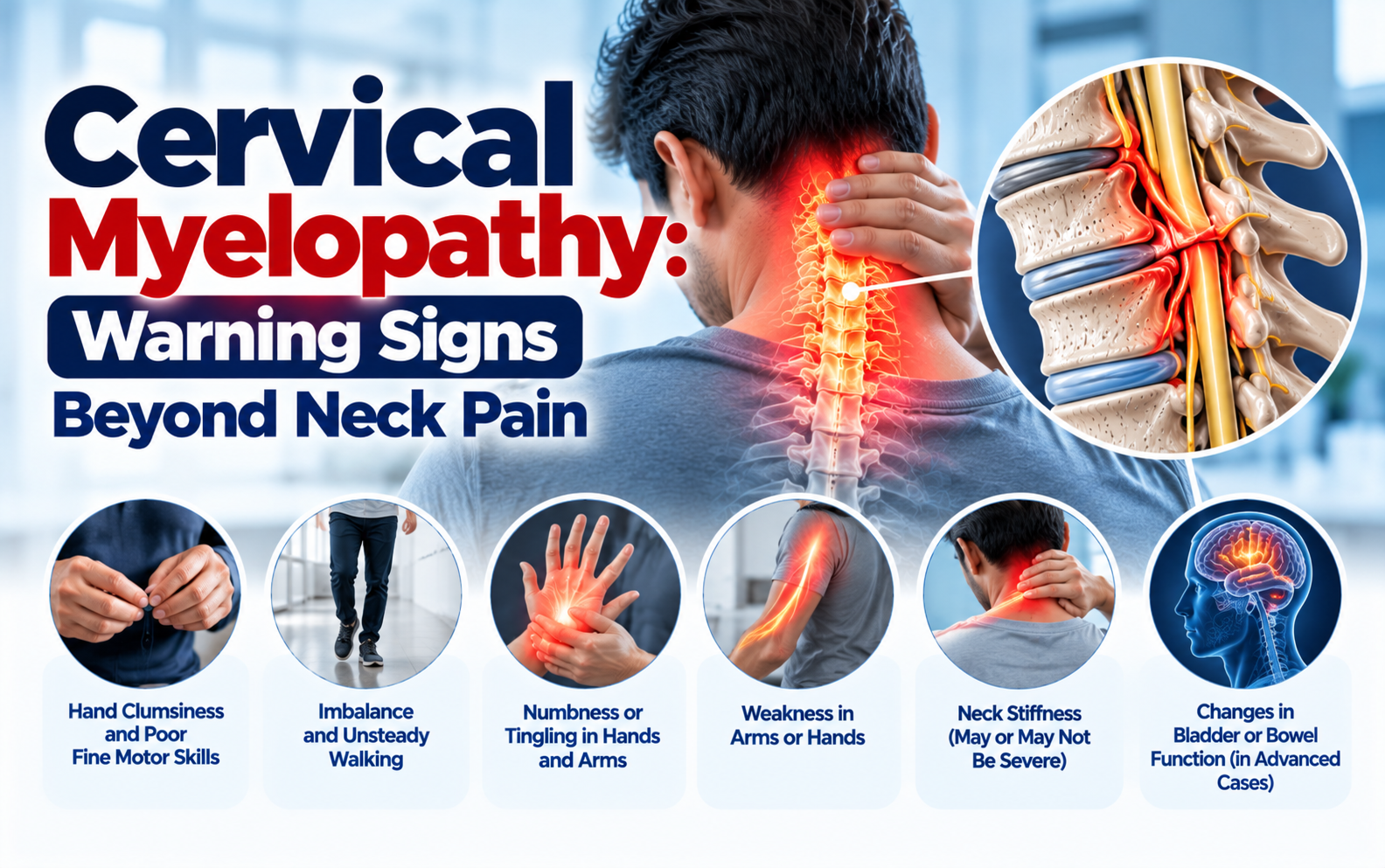
Cervical myelopathy means the spinal cord is affected in the neck, and symptoms may be subtle initially.
Read article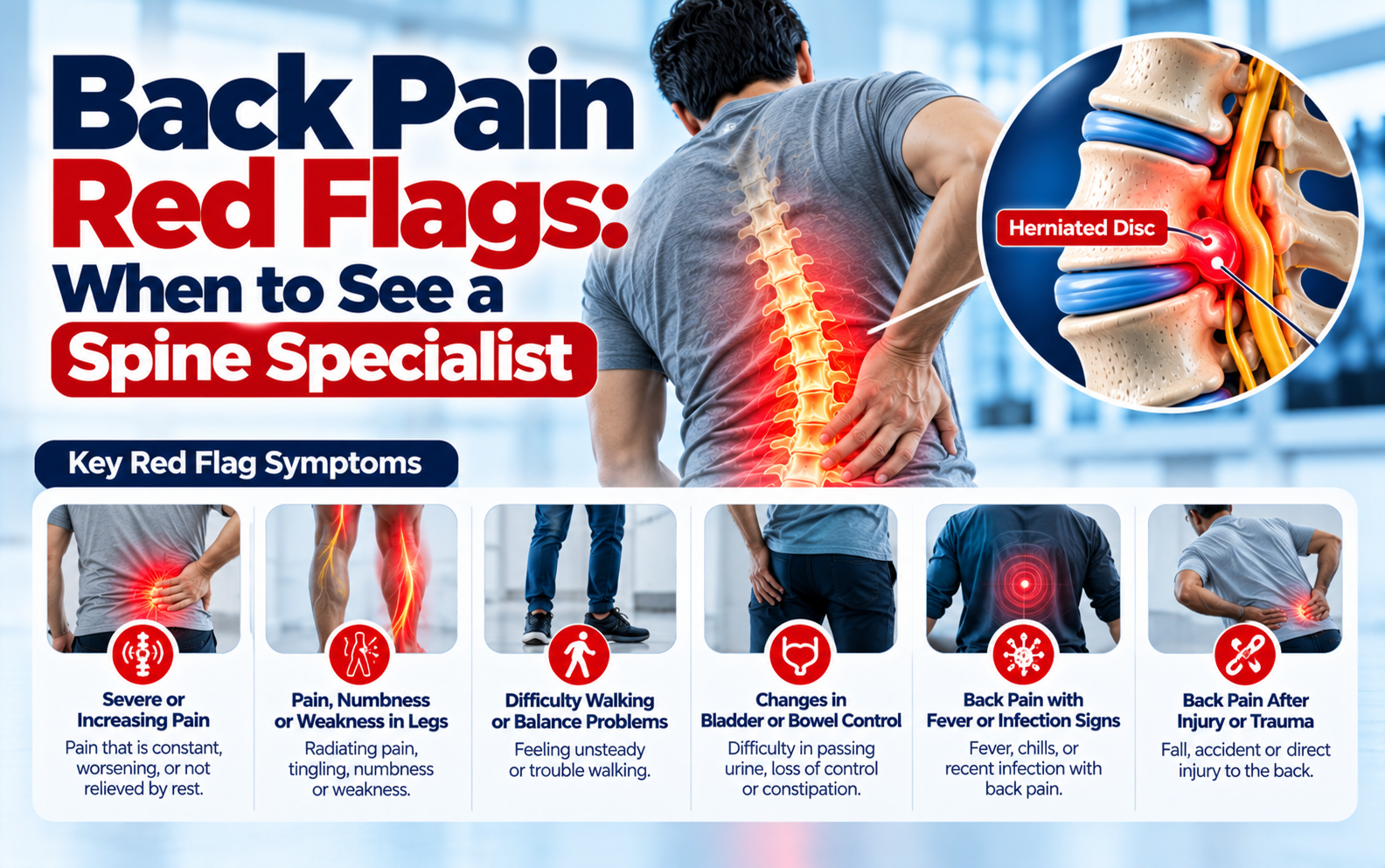
Most back pain is not dangerous, but certain patterns call for timely medical evaluation.
Read article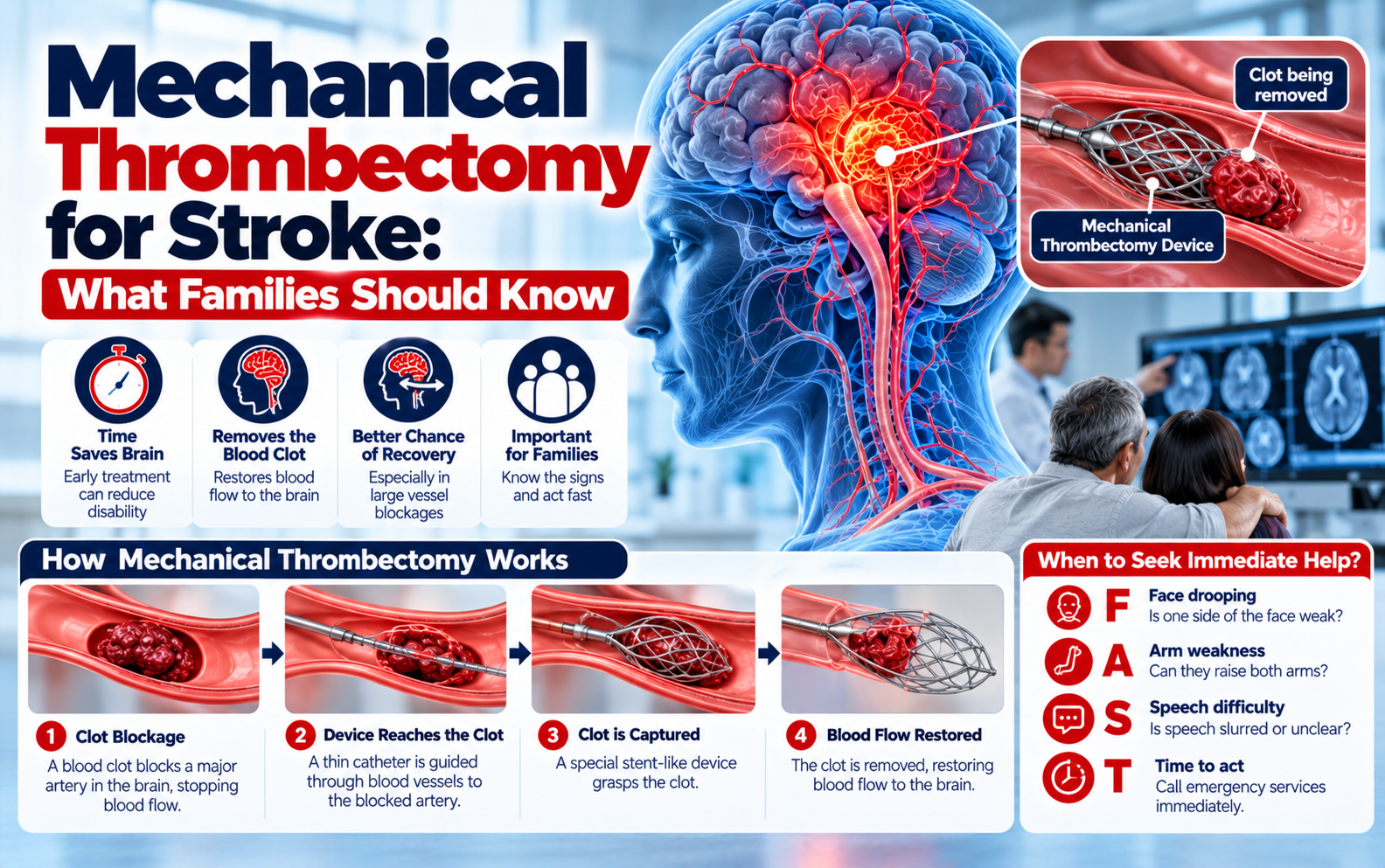
Mechanical thrombectomy can help selected people with large-vessel ischaemic stroke, but time-critical hospital triage is essential.
Read article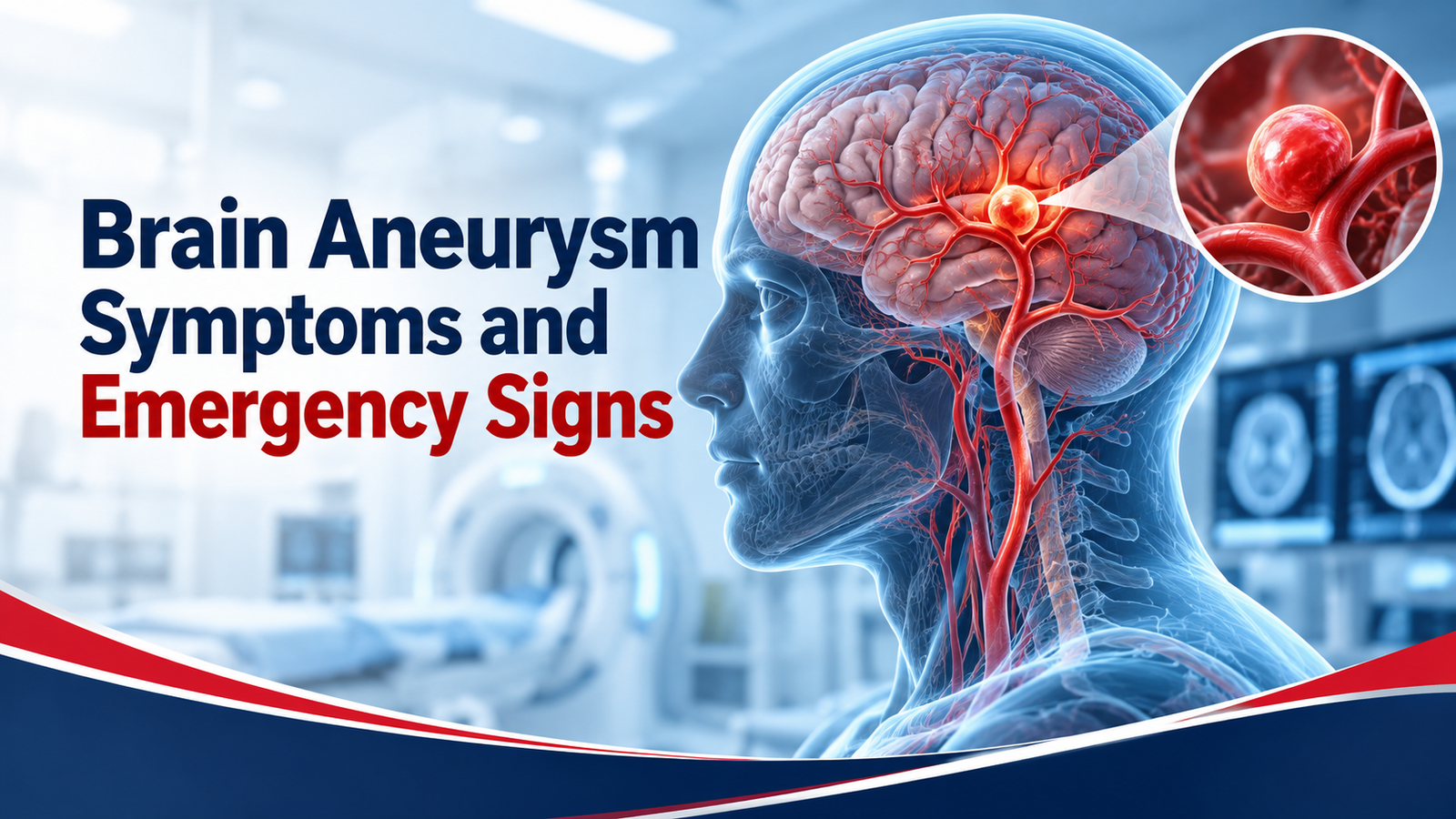
An unruptured aneurysm may cause no symptoms, while rupture can lead to life-threatening bleeding.
Read article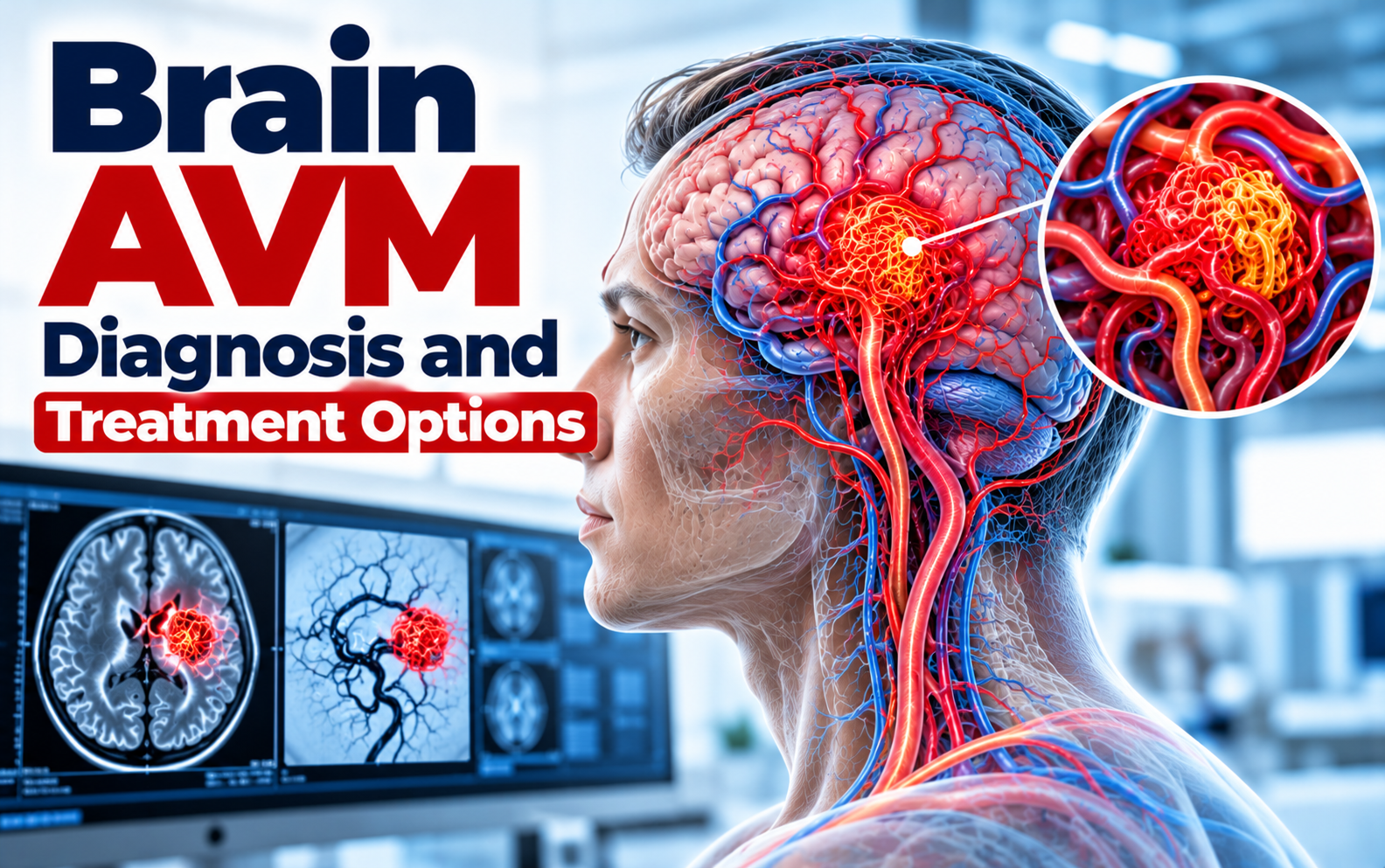
An arteriovenous malformation changes normal vessel connections, and its management requires individualised assessment.
Read article
Carotid artery narrowing can contribute to certain strokes, but care depends on symptoms and the degree of stenosis.
Read article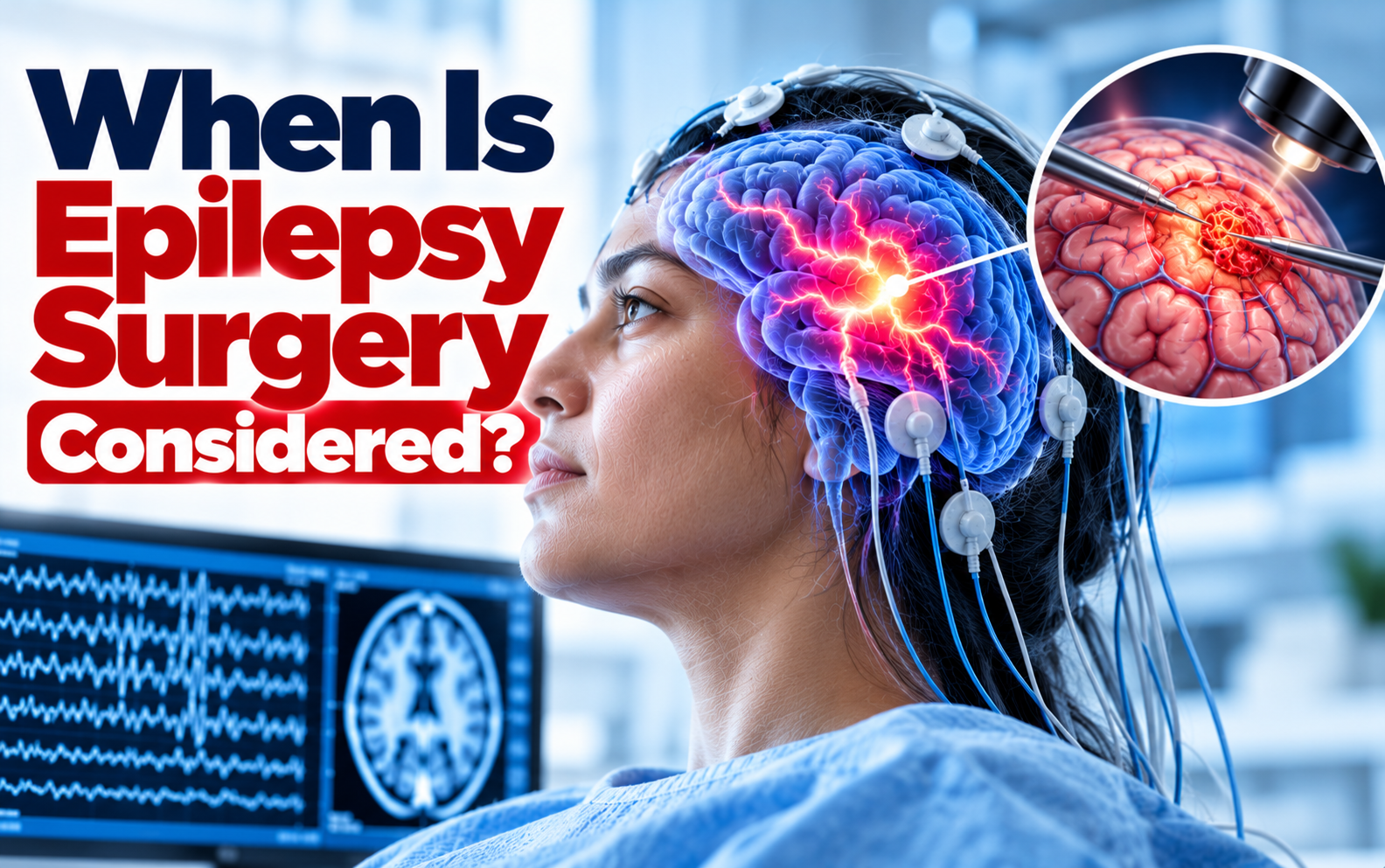
Surgery evaluation can be appropriate when seizures continue despite properly selected and used medicines.
Read article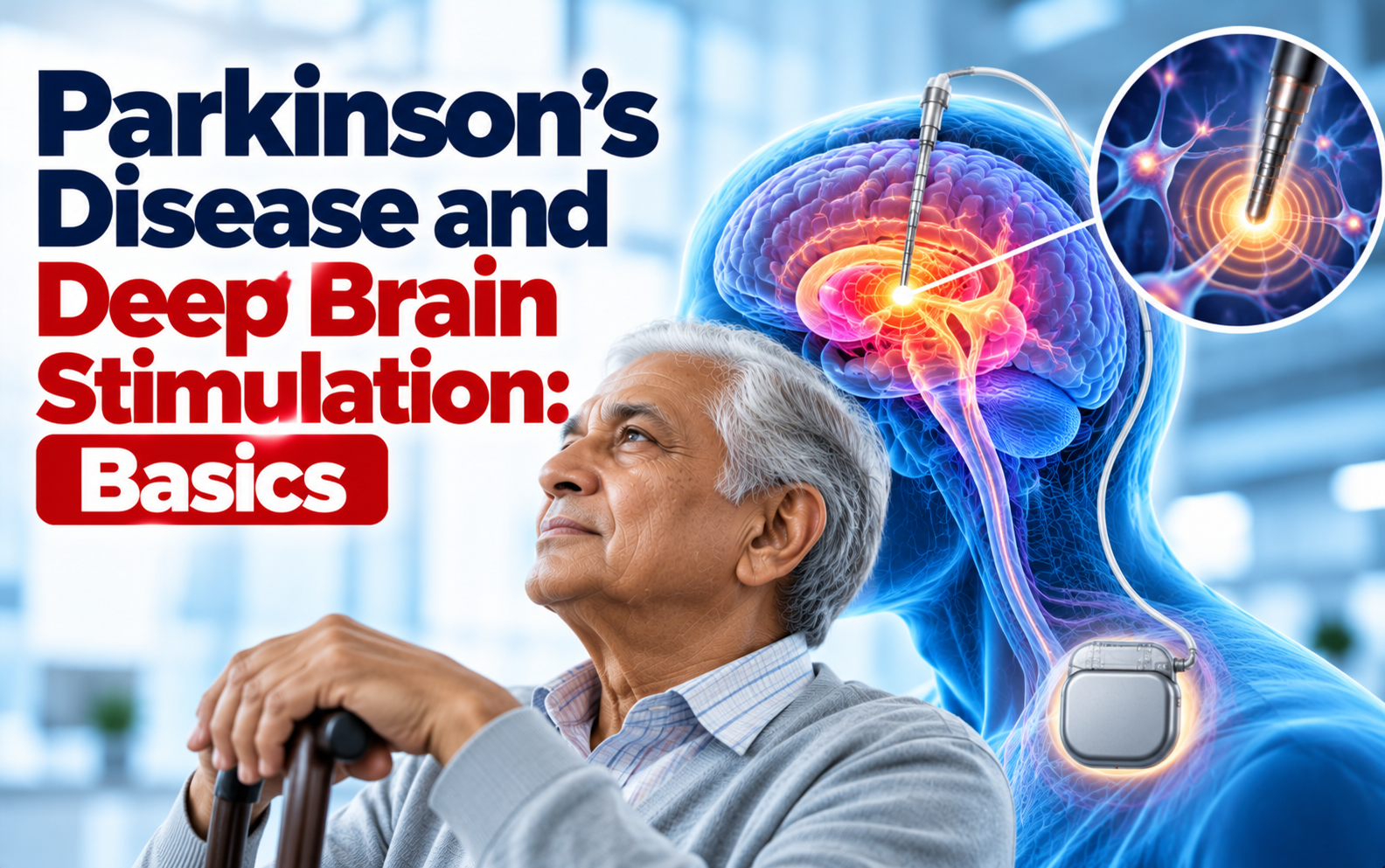
Deep brain stimulation (DBS) may reduce selected symptoms in carefully assessed people with Parkinson’s disease.
Read article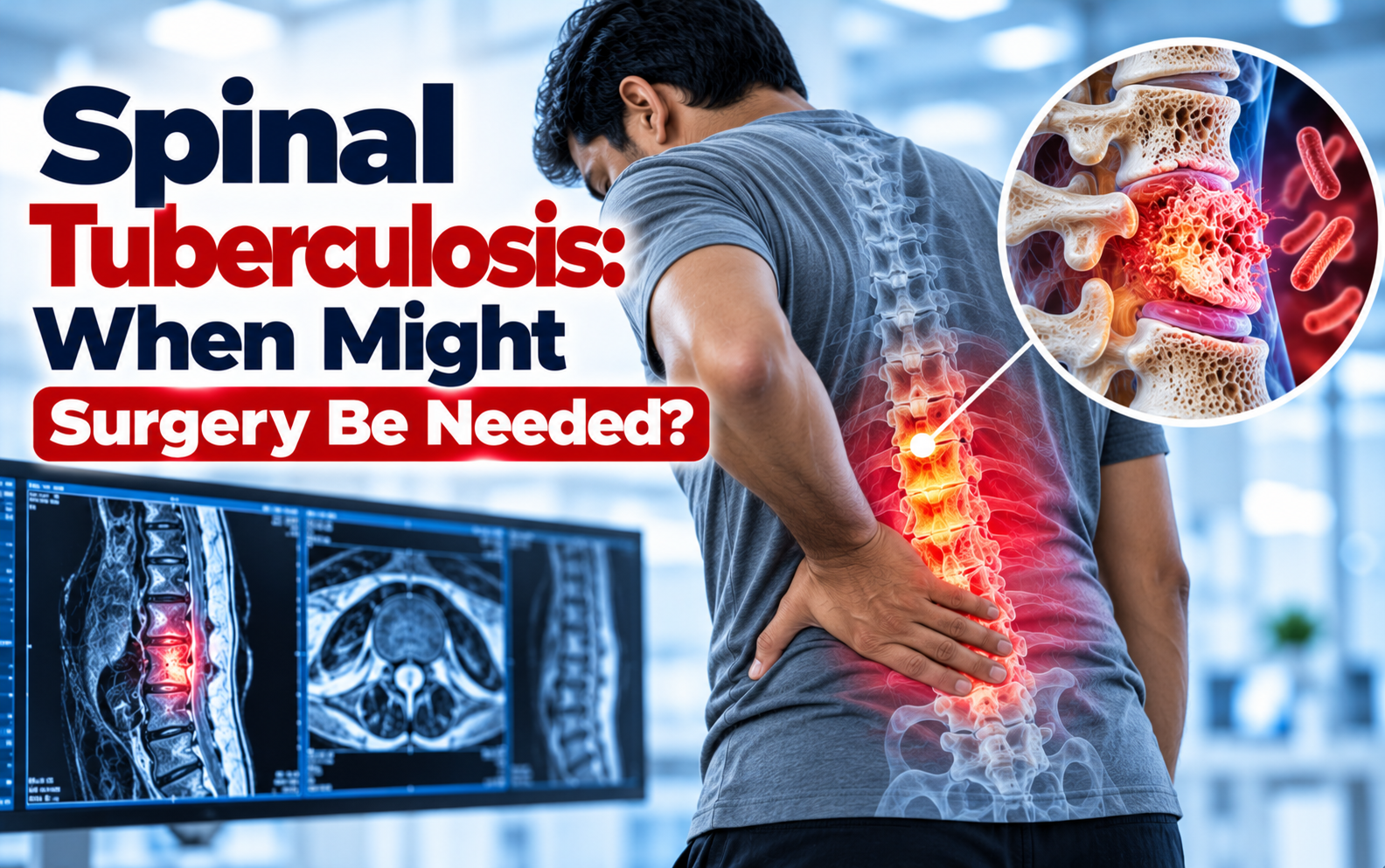
Spinal tuberculosis is usually treated with appropriate medication, but complications can change the plan.
Read article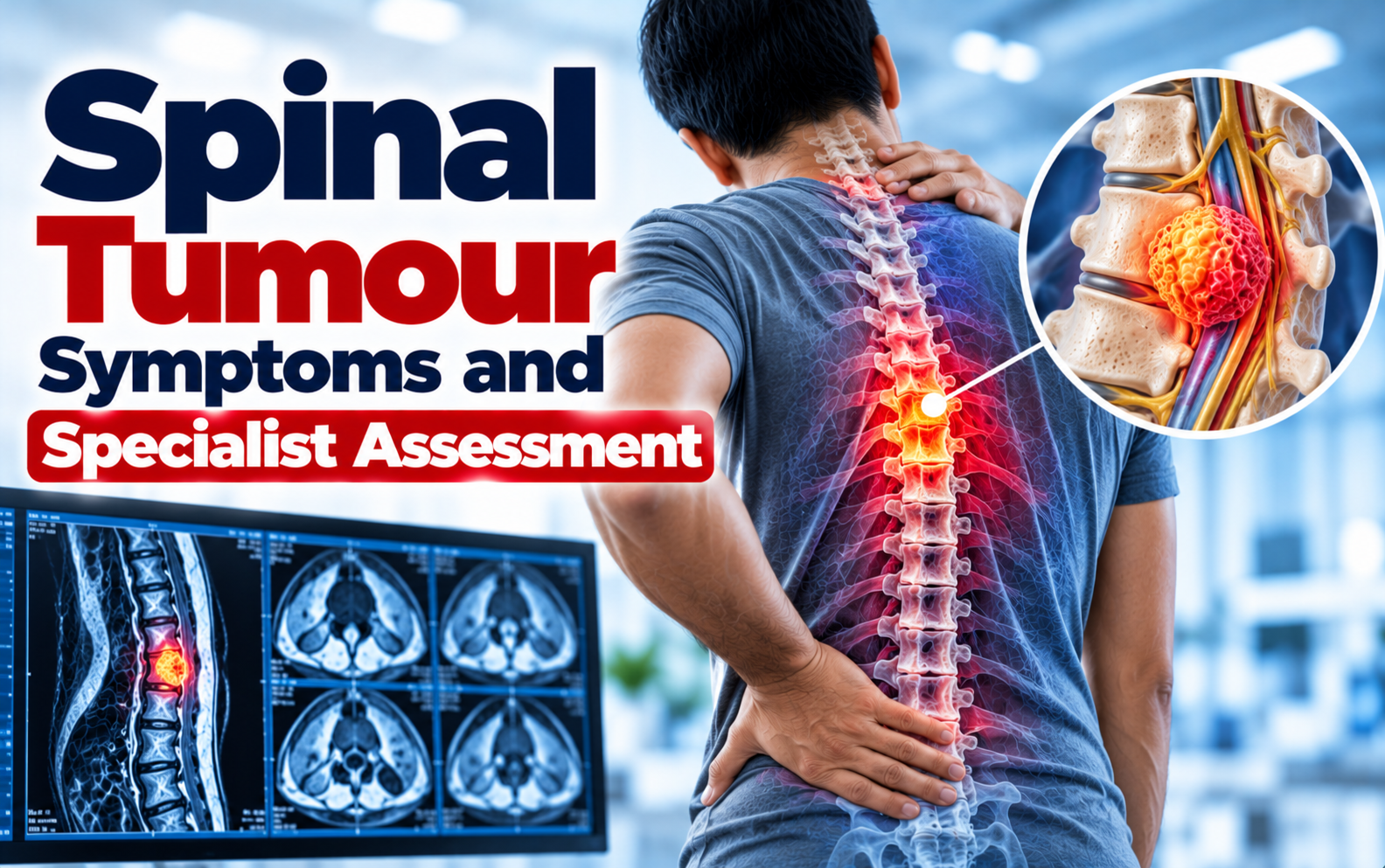
Spinal tumours vary greatly, and not every abnormal scan indicates cancer.
Read article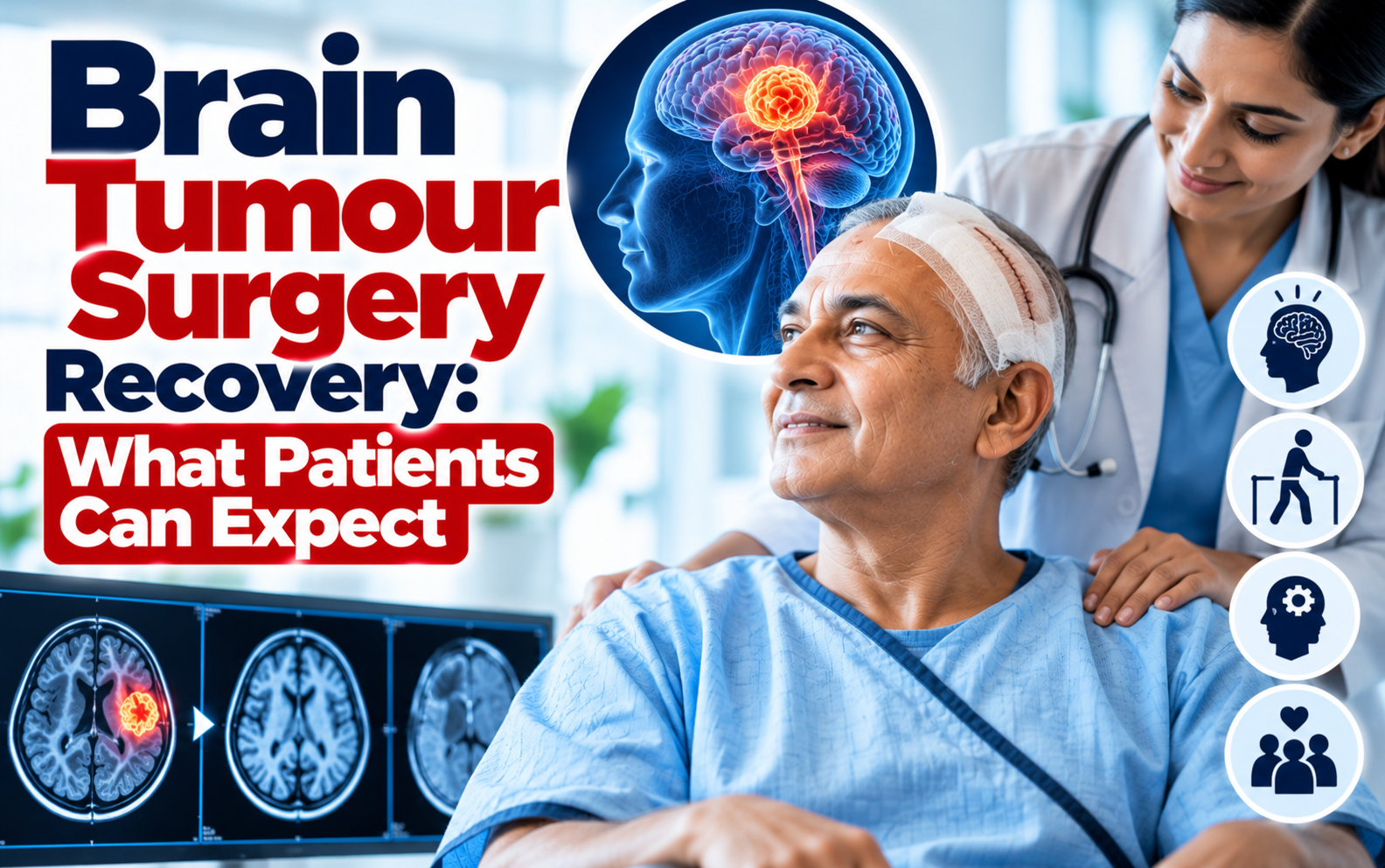
Recovery after brain surgery depends on the diagnosis, procedure, baseline health and any neurological effects.
Read article PATIENT GUIDE · NOIDA
Treatment for sciatica is based on the pattern and severity of nerve compression rather than imaging alone.
Read article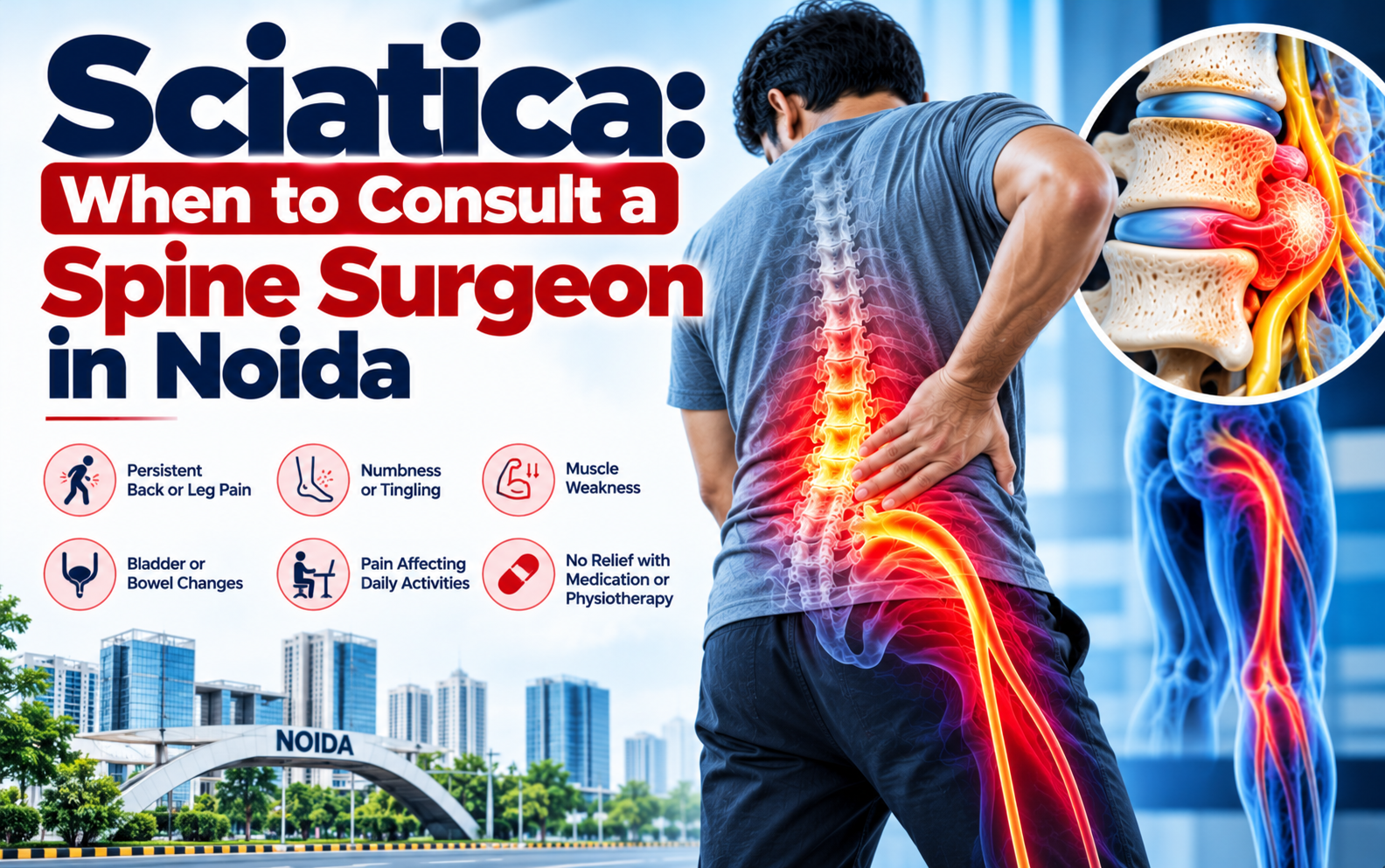
Sciatica describes pain radiating along a nerve distribution, commonly into one leg.
Read article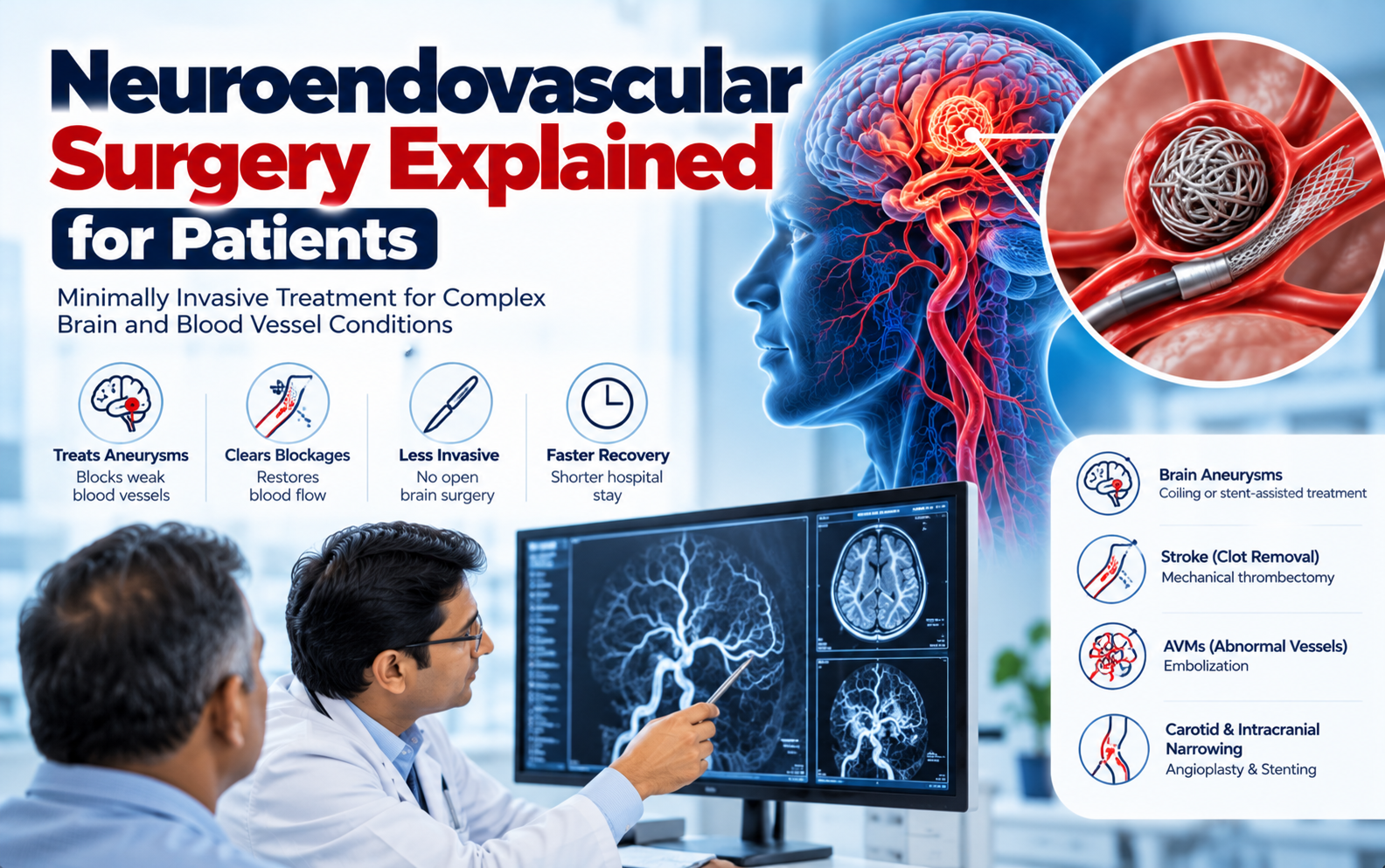
Neuroendovascular procedures reach selected brain and neck vessels through fine catheters guided by imaging.
Read article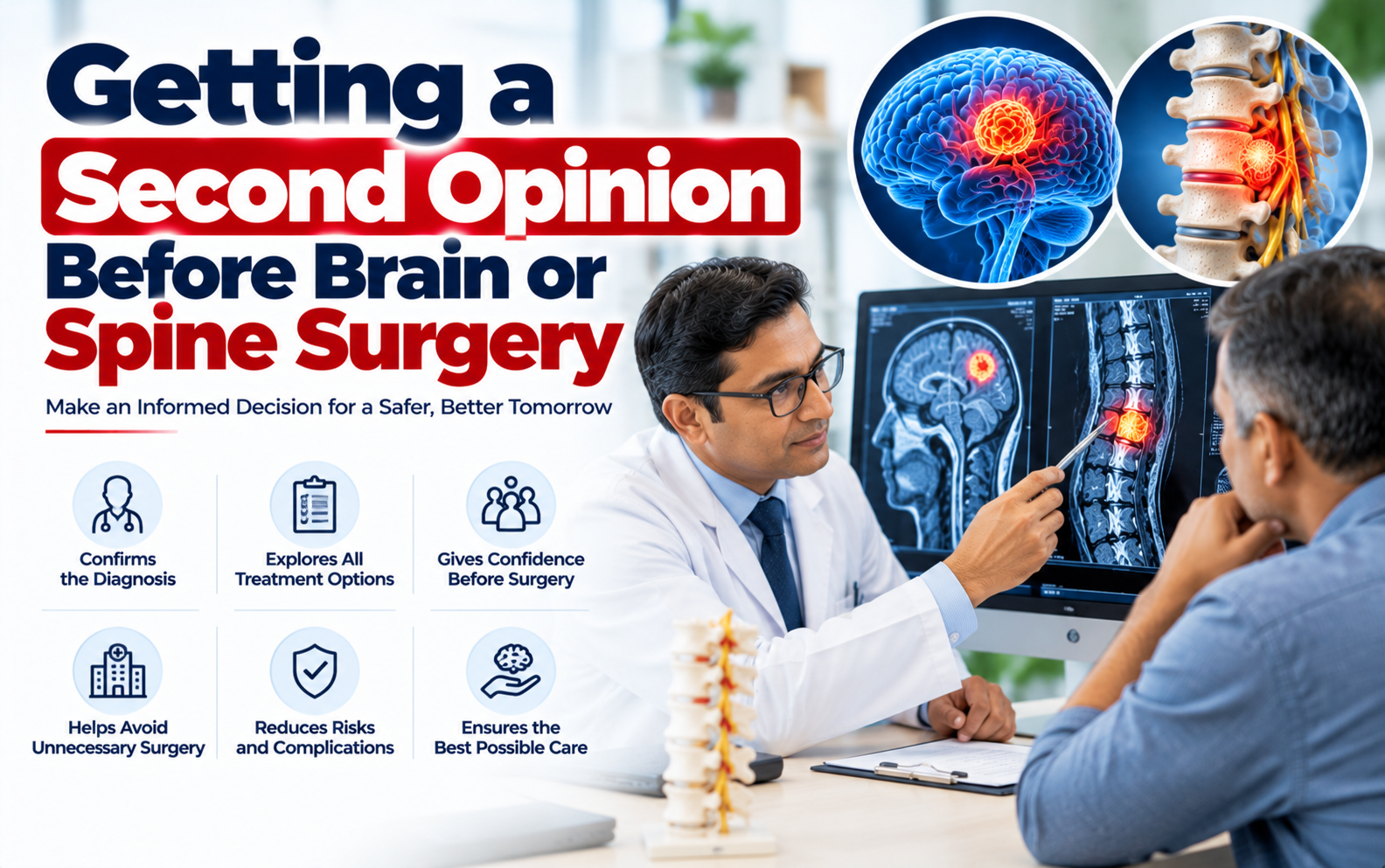
A second opinion can clarify the diagnosis, alternatives and expected outcomes when a major operation is being considered.
Read article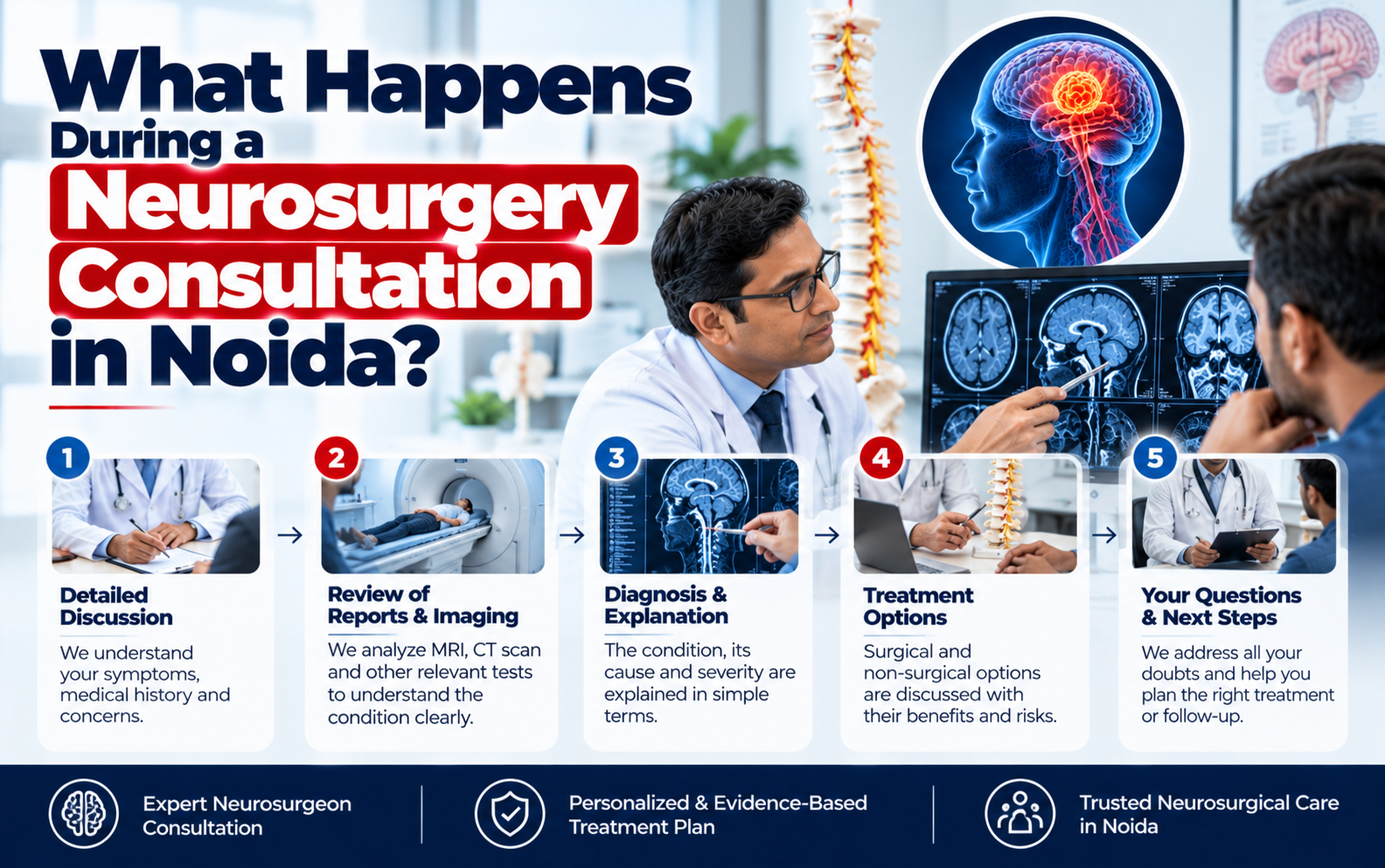
Understanding a first visit helps patients prepare for a focused, informed discussion.
Read articleBring your reports, understand the available options and discuss a plan tailored to your condition.